
Organization is Self Care

Sara Hare of Valkyrie Living standing in a bright, organized kitchen, holding a coffee mug in a calm, welcoming home environment.
When we hear the words self-care, most of us picture a spa day, a long bath, exercise, or a quiet afternoon with a good book. Those things certainly have their place. But after spending years helping families organize their homes, I’ve come to believe that one of the most overlooked forms of self-care isn’t something you schedule once a month—it’s something you practice every day.
It’s organization.
Not because an organized home is prettier, and not because every drawer needs matching containers. Organization matters because it quietly reduces the mental weight we carry every single day. A well-organized home doesn’t just change the way your house looks. It changes the way you live inside it.
Clutter Is Mentally Exhausting
Have you ever walked into a room and immediately felt overwhelmed? Maybe there’s laundry waiting to be folded, mail stacked on the counter, shoes by the door, or projects spread across the dining room table. Even when you aren’t actively thinking about those things, your brain is still registering them.
Every unfinished task can become another small reminder of something left undone. Over time, that constant visual noise can make it harder to focus, harder to relax, and harder to truly rest. An organized home creates something much more valuable than neat shelves. It creates mental space.
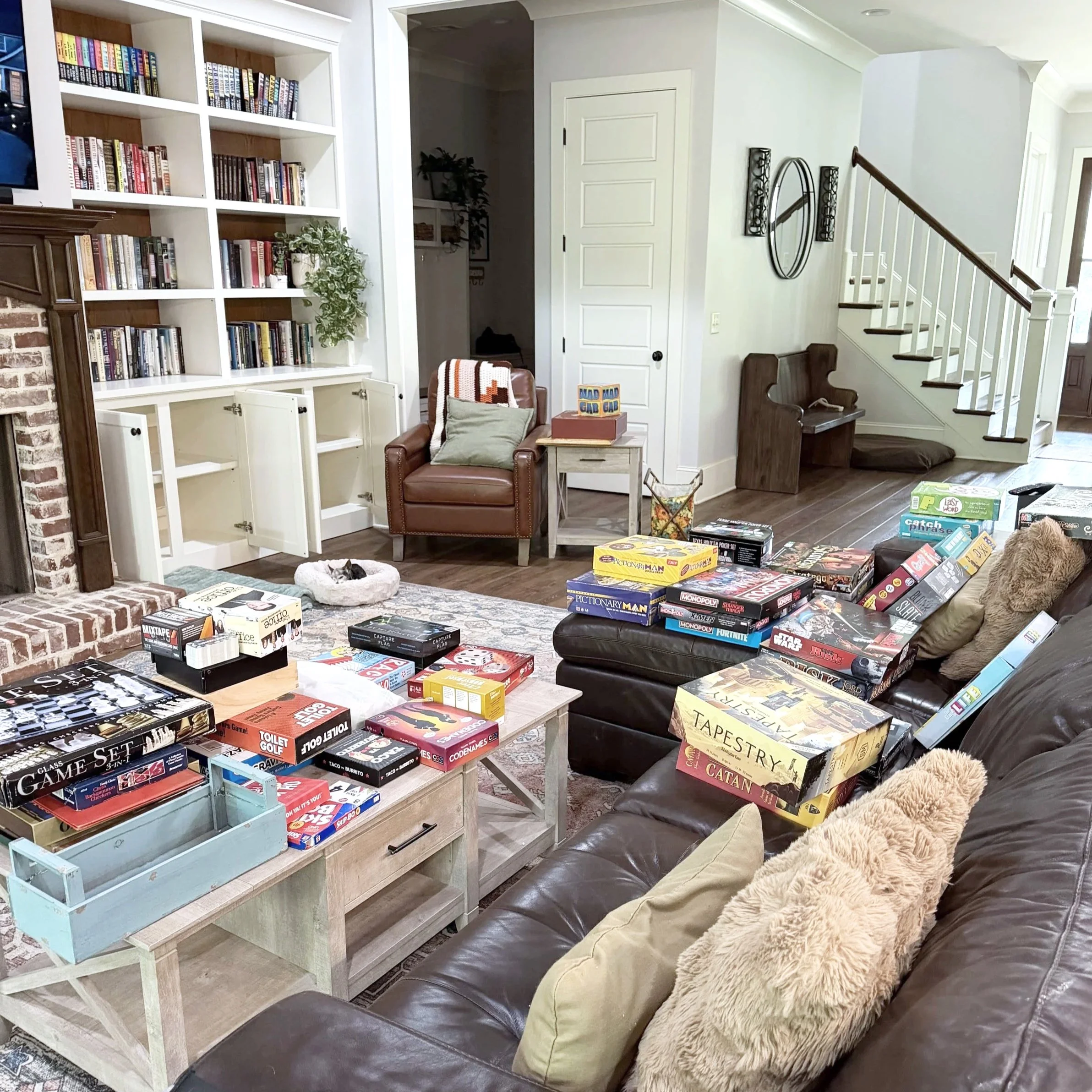
A family living room temporarily overwhelmed with board games and household items, showing how everyday clutter can quickly create visual and mental overload.
Your Home May Be Adding to Your Mental Load
In many families, one person becomes the keeper of all the information. She knows where the extra batteries are, which child is almost out of shampoo, what’s in the freezer, which clothes no longer fit, what needs to be returned, what needs to be purchased, and where that permission slip was left.
None of those things seems particularly significant on its own, but carrying all of them at the same time is exhausting. When a home doesn’t have clear systems, much of that information has to live somewhere—and too often, it lives in one person’s head.
Organization can’t eliminate every responsibility, but it can move some of that burden out of your brain and into your environment. When everyone knows where things belong, where supplies are kept, what is running low, and how everyday routines work, you don’t have to personally manage every detail.
That’s not just a cleaner house. That’s less mental work.
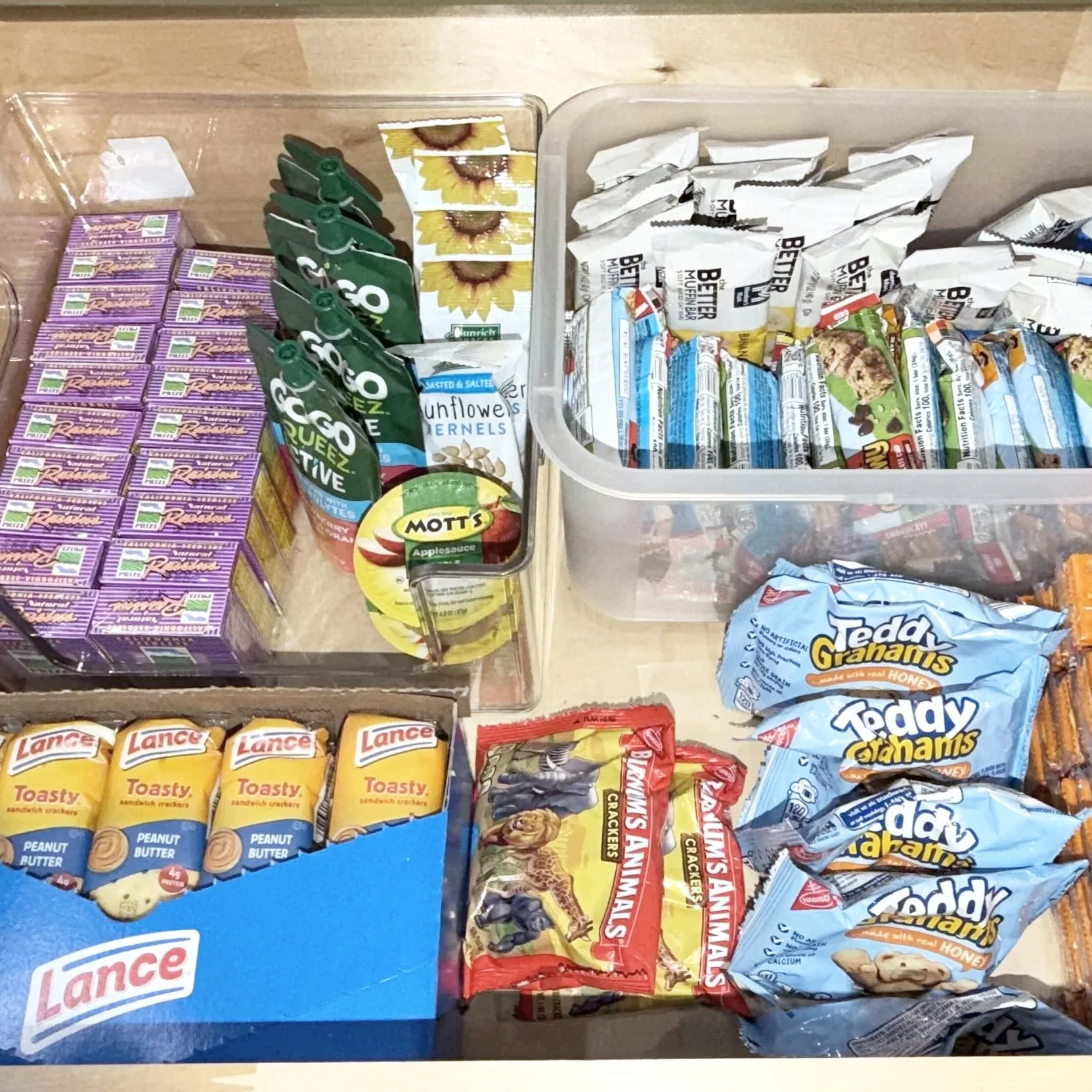
An organized kitchen snack drawer with grab-and-go foods grouped into clear sections, making everyday choices easier for the whole family.
You Spend Less Time Looking and More Time Living
One of the greatest gifts organization gives us is time. Think about how often you’ve searched for your keys, your child’s permission slip, your favorite sweater, or your phone charger. Those moments seem small, but they add up.
Five minutes looking for something. Ten minutes digging through a closet. Another trip to the store because you couldn’t find something you already owned.
When everything has a designated place, mornings become calmer, errands become easier, and everyday life requires less effort. Organization isn’t about perfection. It’s about removing unnecessary friction from your day.
Your Home Should Feel Like a Refuge
Home should be the place where your shoulders relax, not the place that reminds you of everything left to do. There’s a reason hotel rooms often feel peaceful: they’re simple, intentional, and free from much of the visual clutter we live with every day.
Your home doesn’t need to look like a hotel or a magazine, but it should give you places where your eyes—and your mind—can rest. You deserve to walk through your front door and feel some sense of ease.
When every surface becomes a reminder, every room contains an unfinished project, and every closet requires effort just to find what you need, home can begin to feel like another job. And that is the opposite of what home should be.
Organization Can Strengthen Relationships
Clutter rarely affects just one person. It can create tension between spouses, frustration during rushed mornings, guilt about the state of the house, or even embarrassment about inviting people over.
When a home functions well, some of that unnecessary friction disappears. Instead of arguing over misplaced backpacks or searching for missing keys, that energy can go back toward the people who matter most.
Honor Your Future Self
This may be my favorite reason to get organized. Every small system you create is a gift to the version of yourself who wakes up tomorrow morning.
Packing lunches the night before, laying out tomorrow’s clothes, returning scissors to the same drawer, keeping a basket for incoming mail, or creating a place for backpacks, keys, and chargers all make the next day a little easier.
I like to think of organization as a quiet way of saying to your future self, “I’ve got you.”
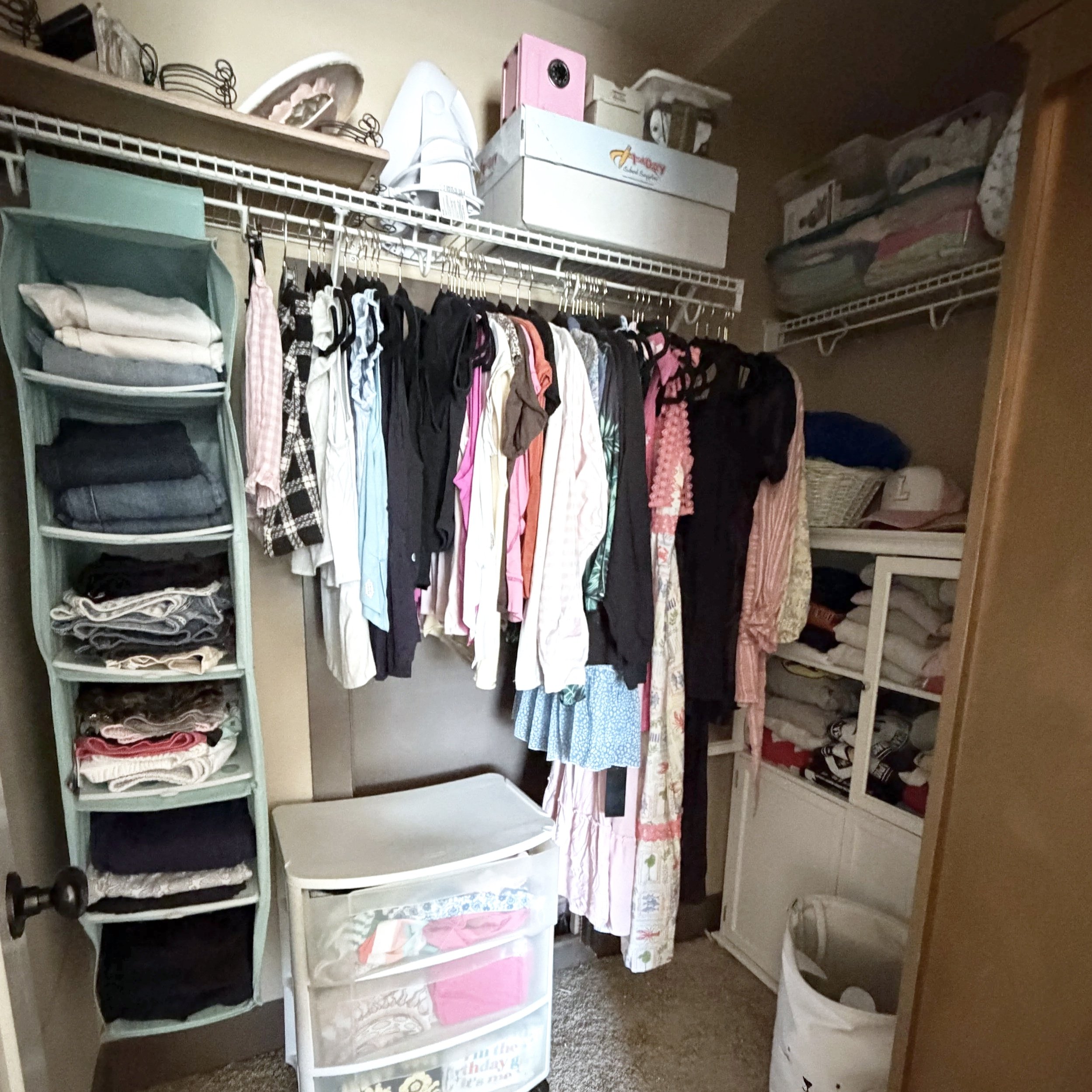
A functional bedroom closet with clothing and folded items arranged into designated zones to make getting dressed and maintaining the space easier.
Five Simple Ways to Start
If you’re overwhelmed, don’t try to organize your entire house this weekend. Start smaller than you think you should.
Set a timer for 20 minutes and organize one small space.
Create a designated home for the items you lose most often.
Keep a donation basket somewhere convenient so letting go becomes part of your routine.
Choose one place for incoming papers, mail, and school information.
Before bed, spend five minutes preparing for tomorrow.
Those small habits become systems. Those systems become routines. And those routines can eventually change the way your home feels.
Final Thoughts
You don’t have to be naturally organized. You don’t need matching bins, beautifully labeled containers, or a perfect home. You simply need systems that support the life you’re actually living.
Organization has never really been about creating a picture-perfect space. It’s about reducing unnecessary decisions, protecting your time, lightening your mental load, giving your mind somewhere to rest, and creating a home that supports your life instead of competing with it.
Sometimes self-care isn’t about adding something else to your schedule. It’s about creating a home that asks less of you.
And if that’s not self-care, I’m not sure what is.
Creating Beautiful Systems. So You Can Enjoy What Matters.
